

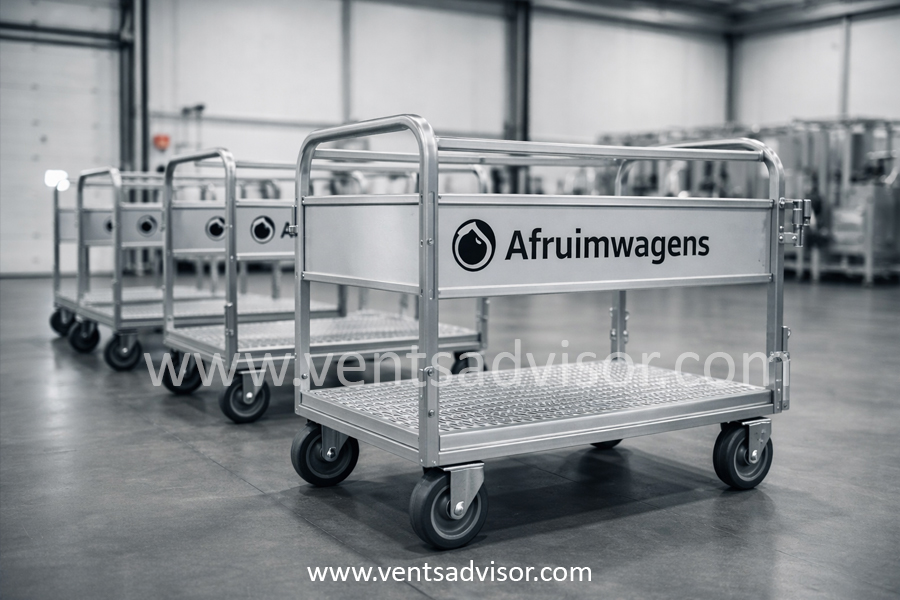
Afruimwagens are specialized agricultural wagons designed to collect, transport, and distribute organic materials such as manure, silage, crop residues, and other farm by-products. These wagons play a crucial role in modern farming by helping farmers manage waste efficiently while improving soil health and field productivity. Built to handle heavy loads and rough terrain, afruimwagens are commonly used in livestock farming, mixed agriculture, and large-scale crop operations.
An afruimwagen is more than just a trailer—it is a practical farming solution engineered to save time, reduce labor, and support sustainable agricultural practices. By allowing organic materials to be moved and spread evenly across fields, these wagons help recycle nutrients back into the soil. This not only enhances crop growth but also minimizes environmental impact.
In today’s agriculture, where efficiency and sustainability are equally important, afruimwagens have become an essential part of farm machinery. This in-depth guide explores how these wagons work, their benefits, types, maintenance needs, and how they contribute to profitable and responsible farming.
The Evolution of Agricultural Transport Wagons
Agricultural transport has evolved significantly over the centuries. Early farmers relied on simple carts pulled by animals to move crops and waste. These early systems were slow and limited in capacity, often requiring extensive manual labor.
With the industrialization of agriculture, wagons became stronger and more specialized. Metal frames replaced wood, pneumatic tires improved mobility, and tractor-powered hauling transformed farm logistics. The need to manage organic waste efficiently led to the development of purpose-built wagons designed specifically for collecting and distributing farm materials.
Today’s agricultural wagons are the result of decades of innovation. They are designed with durability, efficiency, and versatility in mind. Afruimwagens are a clear example of how agricultural tools adapt to changing farming needs, offering solutions that balance productivity with environmental responsibility.
How Afruimwagens Work in Daily Farming Operations
In everyday farm operations, afruimwagens serve as a bridge between livestock areas, storage zones, and fields. They are typically attached to tractors and loaded with organic materials such as manure or silage.
Once loaded, the wagon transports the material to designated areas where it can be unloaded or spread. Many modern models feature hydraulic systems that control unloading speed and distribution, ensuring even coverage across the field.
This process reduces manual handling and helps farmers manage waste more efficiently. By streamlining transport and distribution, afruimwagens allow farms to operate smoothly, even during busy seasons like planting or harvesting.
Key Components and Structural Design
Afruimwagens are built to handle demanding agricultural conditions. Their design focuses on strength, balance, and ease of use. The chassis is typically made from reinforced steel to support heavy loads without bending or cracking.
The loading bed is designed to hold organic materials securely, preventing spillage during transport. Many wagons also include reinforced sidewalls and protective coatings to resist corrosion from manure and moisture.
High-quality axles, suspension systems, and large agricultural tires ensure stability on uneven terrain. Together, these components create a machine capable of reliable performance in challenging farm environments.
Materials Transported Using Agricultural Wagons
One of the biggest advantages of agricultural wagons is their versatility. Farmers use them to transport a wide range of organic materials essential to farm operations.
Common materials include animal manure, compost, silage, haylage, crop residues, and even harvested crops in some cases. Transporting these materials efficiently helps maintain cleanliness around livestock areas and ensures timely field application.
By reusing organic waste as fertilizer, farmers reduce dependency on chemical inputs and improve soil structure. This makes wagons like afruimwagens a vital part of sustainable nutrient management systems.
Benefits of Using Specialized Farm Wagons
Using specialized farm wagons offers numerous benefits beyond simple transport. First, they significantly reduce labor requirements, allowing fewer workers to manage larger operations.
Second, these wagons improve efficiency by speeding up material handling. Tasks that once took days can now be completed in hours. Third, they enhance farm hygiene by keeping waste contained and controlled.
Most importantly, specialized wagons support environmentally friendly practices. By facilitating proper waste distribution, they help prevent nutrient runoff and promote healthier soil ecosystems.
Afruimwagens and Sustainable Agriculture
Sustainability is a growing priority in agriculture, and afruimwagens contribute directly to this goal. By enabling efficient recycling of organic waste, these wagons help close the nutrient loop on farms.
Instead of treating manure and crop residues as waste, farmers can repurpose them as valuable soil amendments. This reduces environmental pollution and lowers fertilizer costs.
Additionally, proper waste management improves soil fertility, water retention, and microbial activity. Over time, this leads to more resilient farming systems that are better equipped to handle climate variability.
Choosing the Right Wagon for Your Farm
Selecting the right agricultural wagon depends on several factors, including farm size, material type, and terrain. Capacity is a key consideration—larger farms may require high-volume wagons, while smaller operations may prefer compact models.
Compatibility with existing tractors is also important. Farmers should ensure that towing capacity and hydraulic connections match the wagon’s requirements.
Durability, ease of maintenance, and manufacturer support are additional factors that influence purchasing decisions. A well-chosen wagon can serve a farm reliably for many years.
Maintenance and Longevity of Farm Wagons
Regular maintenance is essential to keep agricultural wagons operating safely and efficiently. Routine inspections help identify wear and tear before it becomes a serious issue.
Key maintenance tasks include checking tire pressure, lubricating moving parts, inspecting hydraulic systems, and cleaning the wagon after use. Since organic materials can be corrosive, proper cleaning helps extend the wagon’s lifespan.
With consistent care, high-quality wagons can remain functional for decades, making them a sound long-term investment for farmers.
Safety Considerations During Operation
Operating heavy farm equipment always carries risks, and agricultural wagons are no exception. Proper training and safety awareness are essential to prevent accidents.
Farmers should avoid overloading wagons, as excess weight can strain axles and reduce braking effectiveness. Ensuring even load distribution improves stability during transport.
Regular equipment checks and adherence to manufacturer guidelines help maintain safe working conditions. Safety measures protect not only operators but also the longevity of the equipment.
Economic Impact on Farm Productivity
Investing in efficient transport equipment can have a significant economic impact. By reducing labor costs and improving workflow, farm wagons increase overall productivity.
Time saved on material handling can be redirected toward other critical tasks, such as crop management or livestock care. Over time, these efficiency gains translate into higher profitability.
Afruimwagens, in particular, support cost-effective nutrient management, reducing reliance on purchased fertilizers and improving long-term soil health.
Integration with Modern Farming Technology
Modern agriculture increasingly relies on technology, and farm wagons are evolving to keep pace. Some advanced models integrate with precision farming systems.
Features such as load sensors, GPS tracking, and automated spreading controls help farmers optimize material application. These technologies improve accuracy and reduce waste.
As digital farming continues to grow, agricultural wagons will likely become even more connected and intelligent.
Environmental Regulations and Compliance
Environmental regulations around waste management are becoming stricter worldwide. Using appropriate equipment helps farmers comply with these rules.
Proper transport and controlled distribution of organic materials reduce the risk of soil and water contamination. This not only protects the environment but also helps farms avoid penalties.
Afruimwagens support responsible farming practices that align with regulatory requirements and public expectations.
Common Challenges and Practical Solutions
Despite their benefits, farm wagons can present challenges such as maintenance costs or compatibility issues. Addressing these challenges requires proactive planning.
Choosing quality equipment, following maintenance schedules, and investing in operator training can mitigate most problems. Farmers who approach equipment management strategically often experience fewer disruptions.
Practical solutions ensure that wagons remain assets rather than liabilities.
The Future of Agricultural Transport Equipment
The future of agricultural transport lies in efficiency, sustainability, and automation. Manufacturers are continuously developing lighter materials, smarter controls, and more eco-friendly designs.
As farming faces increasing pressure to produce more with fewer resources, equipment like afruimwagens will remain essential. Their role in nutrient recycling and waste management ensures continued relevance.
Innovation will further enhance their performance, making them indispensable tools in modern agriculture.
Conclusion
Afruimwagens represent a smart and sustainable solution for transporting and managing organic materials in agriculture. By improving efficiency, supporting soil health, and reducing environmental impact, they play a vital role in modern farming systems. From small family farms to large-scale operations, these specialized wagons help streamline workflows and promote responsible land management. As agriculture continues to evolve, afruimwagens will remain a cornerstone of productive and sustainable farming practices.
Frequently Asked Questions FAQs
- What are afruimwagens used for?
Afruimwagens are used to transport and distribute organic farm materials like manure and silage efficiently. - Are afruimwagens suitable for small farms?
Yes, smaller models are available and can be tailored to the needs of small or medium-sized farms. - Do afruimwagens improve soil health?
Yes, by evenly spreading organic materials, they enhance soil fertility and structure. - How long do agricultural wagons last?
With proper maintenance, high-quality wagons can last for decades. - Are they environmentally friendly?
They support sustainable farming by recycling nutrients and reducing chemical fertilizer use. - What maintenance do they require?
Regular cleaning, lubrication, and inspections are essential for longevity. - Can they be used with any tractor?
Compatibility depends on tractor capacity and hydraulic connections. - Are modern wagons technologically advanced?
Many newer models include features like precision spreading and load monitoring.
Stay in the loop! We’ll keep you posted with alerts and news: Vents Advisor!
